
🔍 Quick Answer
Your pregnant belly feeling soft sometimes and hard other times is completely normal. A soft belly typically occurs when your uterus is relaxed, while a hard belly often happens during Braxton Hicks contractions, after exercise, when baby moves, or as your uterus grows. However, if hardness comes with severe pain, bleeding, fever, or decreased fetal movement, call your doctor immediately.
Understanding Soft Belly vs Hard Belly During Pregnancy
You’ve probably noticed your pregnant belly doesn’t feel the same all the time. One moment it’s soft and squishy, the next it’s tight as a drum. This constant shifting between a soft belly and hard belly during pregnancy freaks out most first-time moms, but here’s the truth: it’s almost always completely normal.
Your uterus is a muscle, and like any muscle, it contracts and relaxes. When relaxed, your belly feels soft. When contracted—whether from Braxton Hicks, baby’s position, or simply the natural tightening that happens throughout pregnancy—your belly feels hard. Understanding what causes these changes and when they signal a problem can save you countless anxious Google searches at 2 AM.
In this comprehensive guide, we’ll break down exactly why your belly alternates between soft and hard, what’s normal at each trimester, the science behind Braxton Hicks contractions, and the red flags that mean you should call your doctor right away. We’ll also share real data from medical studies so you know exactly what to expect.
85%
of pregnant women experience Braxton Hicks contractions in the third trimester
20-40
seconds is the typical duration of a Braxton Hicks contraction
6+
contractions per hour may indicate preterm labor and requires immediate medical attention
Why Does Your Belly Feel Hard During Pregnancy?
A hard pregnant belly happens when your uterine muscles tighten. This tightening (called a contraction) is your uterus doing what it’s designed to do—practice for labor, adjust to baby’s growth, or respond to various stimuli. Here are the most common causes:
1. Braxton Hicks Contractions
These “practice contractions” are the #1 reason for a hard belly during pregnancy. Named after Dr. John Braxton Hicks who described them in 1872, these contractions can start as early as 6 weeks but you typically won’t feel them until the second or third trimester.
- When they start: Most women notice them between 20-28 weeks
- How they feel: Tightness that spreads across your entire belly, making it rock-hard
- Duration: Usually 30 seconds to 2 minutes
- Frequency: Irregular and infrequent (not in a pattern)
- What helps: Changing positions, hydration, rest
Research Finding: A 2019 study published in the American Journal of Obstetrics & Gynecology found that 85% of women experienced Braxton Hicks in their third trimester, with first-time mothers often mistaking them for real labor contractions.
2. Baby’s Position and Movement
When your baby stretches, kicks, or shifts position, parts of your belly can feel temporarily hard. You might feel a hard lump on one side (baby’s back or bottom) while the other side stays soft. This is completely normal and actually a good sign of fetal movement.
- Feels like: Localized hardness or bulging on one side
- Changes with: Baby’s movement—the hard spot moves
- Most common: Third trimester when baby is larger
- What to do: Nothing! Enjoy feeling your baby move
3. Full Bladder
A full bladder can push against your uterus, making your lower belly feel hard and tight. This is especially noticeable in early pregnancy before your uterus rises above your pelvis.
- Location: Lower belly, below belly button
- Relief: Emptying your bladder makes it soft again
- Frequency: Can happen multiple times daily
4. Round Ligament Pain
The round ligaments supporting your uterus stretch as your belly grows, sometimes causing sharp pains and temporary hardness. This is most common in the second trimester and when changing positions quickly.
5. Gas and Constipation
Pregnancy hormones slow digestion, leading to gas and constipation that can make your belly feel hard and bloated. Unlike Braxton Hicks, this hardness doesn’t come and go—it’s constant until the gas passes. For relief strategies, check out our comprehensive guide to pregnancy gas and bloating.

Why Does Your Belly Feel Soft During Pregnancy?
A soft belly is equally normal and simply means your uterine muscles are relaxed. Here’s when and why you’ll notice a softer belly:
Between Contractions
Your uterus isn’t meant to stay tight 24/7. Between Braxton Hicks contractions, your belly returns to a softer state. This relaxation is essential for blood flow to the placenta and your baby.
Early Pregnancy (First Trimester)
In the first 12-14 weeks, your uterus is still small and tucked inside your pelvis. Your belly may feel completely soft because:
- The uterus hasn’t grown large enough to create noticeable tension
- Braxton Hicks contractions are less perceptible
- Most visible “belly” is bloating, not baby
- Abdominal muscles haven’t stretched significantly yet
When Lying Down
Gravity affects how your belly feels. When you lie on your back or side, your uterus settles into a relaxed position, often feeling softer than when you’re standing or sitting upright.
In the Morning
Many women notice their belly feels softer in the morning after resting all night. This is because:
- Your uterus has been relaxed during sleep
- You’re well-hydrated after drinking water overnight
- Your bladder is full (ironically making the upper belly softer even if the lower belly feels full)
Second Pregnancy and Beyond
If this isn’t your first baby, your abdominal muscles have already stretched. Many second-time moms report their bellies feel softer overall compared to their first pregnancy because the muscle tone isn’t as tight.
Reassurance: A soft belly doesn’t mean anything is wrong with your pregnancy. The softness simply indicates your uterus is in its relaxed state, which is perfectly healthy and normal.
Trimester-by-Trimester: What to Expect
First Trimester (Weeks 1-12): Mostly Soft
During your first trimester, your belly will feel predominantly soft because your uterus is still relatively small (about the size of a grapefruit by 12 weeks).
- Typical feeling: Soft, possibly bloated
- Hard belly moments: Rare, usually related to gas or full bladder
- Growth rate: Minimal visible expansion
- What’s normal: Feeling no different than before pregnancy
- Red flags: Severe hardness with cramping and bleeding (possible miscarriage or ectopic pregnancy)
Medical Insight: Your uterus grows from about 2 ounces to 1 pound during the first trimester, but it’s still positioned low in your pelvis, making belly changes minimal.
Second Trimester (Weeks 13-27): Firmer with Growing Belly
This is when you’ll start noticing real changes. Your uterus rises above your pelvis (you can typically feel the top of it at your belly button around 20 weeks), and your belly begins to round out.
- Typical feeling: Firmer overall, with periodic hardening
- Hard belly moments: Occasional Braxton Hicks, baby movements become noticeable
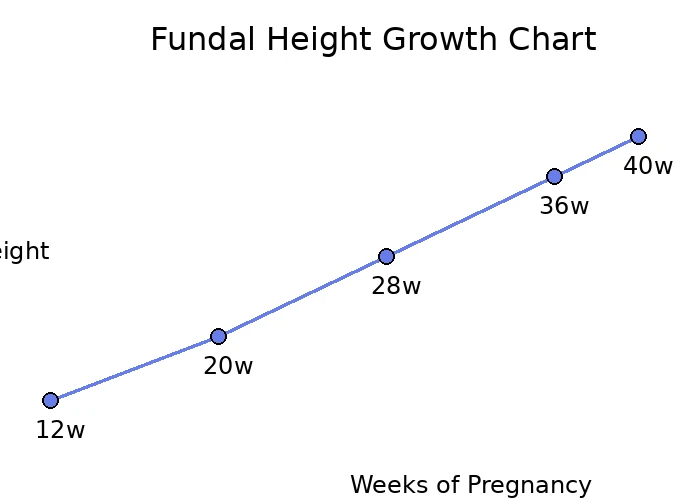
- Growth rate: Your fundal height (belly measurement) grows about 1 cm per week
- What’s normal: Tightness after walking, eating, or when baby’s active
- When to monitor: Contractions become regular or painful
Many women start feeling Braxton Hicks between 20-28 weeks. According to research from the Journal of Pregnancy, about 40% of women experience their first noticeable Braxton Hicks during this trimester.
Third Trimester (Weeks 28-40): Frequent Hardening
The third trimester brings the most dramatic belly changes. Your uterus weighs about 2.5 pounds (without baby), and Braxton Hicks become much more frequent and intense.
- Typical feeling: Alternates between soft and rock-hard multiple times daily
- Hard belly moments: Braxton Hicks can occur several times an hour
- Growth rate: Continues at about 1 cm per week until 36 weeks
- What’s normal: Your entire belly tightening for 30-60 seconds, then relaxing
- Baby’s impact: You can often see lumps and bumps as baby moves
Third Trimester Alert: If you’re experiencing more than 6 contractions per hour before 37 weeks, call your doctor. This could indicate preterm labor, especially if accompanied by pelvic pressure, lower back pain, or increased vaginal discharge.

Braxton Hicks vs Real Labor: Key Differences
One of the biggest concerns when your belly feels hard is whether you’re in labor. Here’s how to tell the difference between Braxton Hicks practice contractions and real labor contractions:
| Characteristic | Braxton Hicks | Real Labor |
|---|---|---|
| Timing | Irregular, unpredictable | Regular pattern (every 5-10 minutes) |
| Duration | 30 seconds to 2 minutes | 30-70 seconds, increasing over time |
| Intensity | Stays the same or decreases | Gets progressively stronger |
| Location | Felt in front of belly only | Starts in back, wraps to front |
| Movement effect | Often stops with position change | Continues regardless of movement |
| Hydration effect | May stop after drinking water | No change with hydration |
| Pain level | Uncomfortable but not painful | Progressively more painful |
| Frequency increase | Random, no pattern develops | Gets closer together over hours |
| Cervical changes | No dilation or effacement | Causes cervix to dilate and thin |
The 5-1-1 Rule: Call your doctor when contractions are 5 minutes apart, lasting 1 minute each, for at least 1 hour. This pattern typically indicates active labor.
When a Hard Belly Means Something’s Wrong
While most instances of a hard pregnant belly are benign, certain symptoms require immediate medical attention. Understanding these red flags can literally save your baby’s life.
Call Your Doctor Immediately If You Experience:
🚨 Emergency Warning Signs
- Constant hardness that doesn’t relax: Your belly stays rock-hard for an extended period (30+ minutes) without softening between contractions
- Severe abdominal pain: Pain that makes you double over or cry out, not just discomfort
- Vaginal bleeding: Any amount of bright red blood or heavy spotting
- Fluid leaking: Possible water breaking, especially before 37 weeks
- Decreased fetal movement: Baby moving less than 10 times in 2 hours (after 28 weeks)
- Regular contractions before 37 weeks: More than 6 per hour could signal preterm labor
- Fever above 100.4°F: With or without hardness
- Severe headache: Especially with vision changes or swelling (possible preeclampsia)
- Upper abdominal pain: Under ribs with hard belly (possible HELLP syndrome)
Placental Abruption: A Rare but Serious Cause
Placental abruption occurs when the placenta separates from the uterine wall before delivery. It affects about 1 in 100 pregnancies and requires immediate medical intervention.
- Key symptom: Belly becomes board-hard and stays that way
- Pain: Constant, severe abdominal pain (not coming and going)
- Bleeding: Often (but not always) present
- Risk factors: High blood pressure, previous abruption, trauma, smoking, cocaine use
- Action needed: Call 911 immediately—this is a life-threatening emergency
Preterm Labor Warning Signs
If you’re before 37 weeks and experiencing a hard belly with these symptoms, you might be in preterm labor:
- More than 6 contractions in one hour
- Contractions that develop a regular pattern
- Pelvic pressure or feeling like baby is “pushing down”
- Lower back pain that comes and goes
- Increase in vaginal discharge or mucus
- Menstrual-like cramping
According to the CDC, about 10% of U.S. births are preterm. Early intervention can often stop preterm labor or help prepare baby’s lungs if delivery is necessary.
Preeclampsia and HELLP Syndrome
A hard upper belly (under your ribs) combined with these symptoms could indicate preeclampsia or its severe variant, HELLP syndrome:
- Severe headache that doesn’t respond to Tylenol
- Vision changes (spots, blurriness, light sensitivity)
- Sudden severe swelling in hands and face
- Pain in upper right abdomen
- Nausea and vomiting (especially in third trimester)
- Decreased urination
Don’t Wait: Preeclampsia affects 5-8% of pregnancies and can progress rapidly. If you suspect it, call your doctor immediately—not tomorrow, not in a few hours, but right now.
How to Tell If Your Hard Belly Is Normal
Here’s a practical step-by-step guide to assess whether your hard belly is just another day of pregnancy or something that needs medical attention:
The 5-Minute Assessment
- Time it: Look at a clock when your belly hardens. Does it soften within 2 minutes? If yes, likely Braxton Hicks.
- Change positions: Stand up if sitting, sit down if standing. Walk around. Does the hardness go away? If yes, probably normal.
- Drink water: Dehydration triggers Braxton Hicks. Drink 16 oz of water and rest. Improvement within 30 minutes suggests normal contractions.
- Empty bladder: A full bladder can cause tightness. After urinating, does your belly feel softer?
- Track frequency: Use your phone to note when hardness occurs. Random = normal. Pattern = call doctor.
- Check for pain: Tightness alone is usually fine. Pain with hardness needs evaluation.
- Feel baby move: Count movements. 10 in 2 hours is reassuring (after 28 weeks).
When to Monitor Closely (But Not Panic)
These situations warrant attention but aren’t necessarily emergencies:
- Increased Braxton Hicks: More frequent than usual but still irregular and painless—mention at your next appointment
- One-sided hardness: Often just baby’s position, but worth discussing with your OB
- Hardness after sex: Normal due to orgasm stimulating uterine contractions, should resolve within an hour
- Hardness with exercise: Common and normal, but should stop within 30 minutes of resting
Practical Tips to Manage a Hard Belly
While you can’t (and shouldn’t) prevent normal uterine contractions, you can minimize uncomfortable Braxton Hicks and know when hardness is just your body doing its job. Here are evidence-based strategies:
1. Stay Hydrated
Dehydration is one of the most common triggers for Braxton Hicks contractions. When you’re dehydrated, your uterus becomes irritable.
- Daily goal: 80-100 oz of water (about 10 cups)
- Signs you need more: Dark yellow urine, dry mouth, increased hardness
- Pro tip: Carry a large water bottle and sip constantly rather than chugging
- Add electrolytes: If plain water doesn’t help, try coconut water or sports drinks
Research Insight: A 2018 study in BMC Pregnancy and Childbirth found that pregnant women who maintained optimal hydration (monitored via urine specific gravity) experienced 31% fewer complaints of uncomfortable Braxton Hicks contractions.
2. Empty Your Bladder Frequently
A full bladder irritates the uterus and can trigger contractions. Don’t hold it—go when you feel the urge.
- How often: Every 2-3 hours minimum, even if you don’t feel urgency
- Before activities: Always empty bladder before exercise, car rides, or bedtime
- Night tip: Limit fluids 2 hours before bed to reduce nighttime trips
3. Change Positions Regularly
Staying in one position too long can trigger contractions. Movement helps.
- If sitting: Stand up and walk every 30-60 minutes
- If standing: Sit down and elevate your feet
- Best resting position: Left side lying with pillow between knees
- Avoid: Lying flat on your back after 20 weeks (compresses major blood vessels)
4. Rest When Needed
Fatigue and overexertion trigger Braxton Hicks. Your body is literally telling you to slow down.
- Listen to signals: If hardness increases with activity, stop and rest
- Nap strategy: 20-30 minute rest periods prevent exhaustion
- Modify exercise: Lower intensity if workouts consistently trigger hardness
5. Manage Stress
Stress hormones can increase uterine activity. While you can’t eliminate stress, you can manage it.
- Deep breathing: 5 minutes of slow, deep breaths can relax your uterus
- Prenatal yoga: Shown to reduce Braxton Hicks frequency
- Meditation apps: Try Calm, Headspace, or Expectful (pregnancy-specific)
- Warm bath: 15-20 minutes in warm (not hot) water relaxes muscles
For more relaxation ideas, check out our list of top audiobooks for pregnancy—perfect for de-stressing while your belly tightens.
6. Watch Your Diet
What you eat affects how your belly feels:
- Avoid spicy/greasy foods: Can cause gas that makes belly feel harder
- Eat smaller, frequent meals: Large meals distend stomach and push on uterus
- Increase fiber gradually: Prevents constipation without causing gas
- Stay away from carbonated drinks: The bubbles add to bloating
7. Temperature Management
Overheating can trigger contractions:
- Avoid hot tubs and saunas: Temperature above 101°F can cause problems
- Stay cool in summer: Air conditioning or fans help
- Dress in layers: Easy temperature adjustment prevents overheating
- Cool compress: On forehead and neck during hardness episodes
8. Support Your Belly
Physical support can reduce strain that triggers hardness:
- Maternity support belt: Especially helpful in third trimester
- Proper bra: Reduces upper body weight pulling on abdomen
- Pregnancy pillow: Supports belly while sleeping
- Good posture: Avoid slouching which compresses uterus
What Your Healthcare Provider Will Check
When you report belly hardness to your doctor or midwife, here’s what they’ll evaluate to determine if everything’s normal:
Physical Examination
- Fundal height measurement: Should match gestational age (±2 cm)
- Leopold’s maneuvers: Palpating to determine baby’s position
- Fetal heart rate: Should be 110-160 bpm
- Cervical check (if indicated): To rule out dilation/effacement
- Blood pressure: To screen for preeclampsia
- Urine protein: Another preeclampsia marker
Additional Testing (When Needed)
- Non-stress test (NST): Monitors baby’s heart rate and your contractions
- Ultrasound: Checks amniotic fluid, placental position, baby’s growth
- Fetal fibronectin test: If preterm labor is suspected (before 37 weeks)
- Group B Strep test: Done at 36-37 weeks routinely
What to Bring to Appointments: Keep a log of when hardness occurs, how long it lasts, what you were doing, and what made it better. This information helps your provider assess whether further testing is needed.
Real Experiences: What Other Moms Say
Understanding you’re not alone in this experience can be incredibly reassuring. Here’s what real moms report about their soft vs hard belly experiences:
First-Time Moms
- Most common concern: “Is this labor?” (especially in weeks 28-36)
- Typical pattern: Panic at first hardening, then relaxation once they recognize Braxton Hicks
- Hospital visits: About 30% visit L&D at least once for “false alarm” contractions
- When they figured it out: Usually by 32-34 weeks, can distinguish Braxton Hicks from concern
Second+ Time Moms
- Main difference: Experience Braxton Hicks earlier and more frequently
- Belly feel: Report softer belly overall due to stretched abdominal muscles
- Recognition: Immediately know difference between practice and real contractions
- Concern level: Much lower anxiety about normal hardness
Common Themes Across All Pregnancies
- Hardness increases significantly in final 4-6 weeks
- More noticeable in evening/night than morning
- Exercise and sex commonly trigger temporary hardness
- Stress and dehydration are universally reported triggers
- Most women have at least one “is this labor?” moment before 37 weeks
The Science Behind Belly Hardness
Understanding the physiology of why your belly hardens helps demystify the experience and reduces anxiety.
How Uterine Contractions Work
Your uterus is made of three layers of smooth muscle. When these muscles contract:
- Muscle fibers shorten: This pulls on connective tissue, creating the hardness you feel
- Blood vessels compress: Temporarily reducing blood flow (why they don’t last long—baby needs oxygen)
- Oxytocin may release: The “love hormone” can trigger contractions (why orgasm causes hardness)
- Prostaglandins involved: These hormone-like substances help coordinate muscle activity
- Muscles relax: After 30-120 seconds, muscles elongate again and belly softens
Why Braxton Hicks Don’t Cause Labor
Unlike true labor contractions, Braxton Hicks:
- Lack coordination: Don’t start at the top and move down efficiently
- Too weak: Don’t generate enough pressure to dilate cervix
- Wrong hormones: Missing the prostaglandin surge needed for labor
- No cervical ripening: Cervix needs chemical changes that Braxton Hicks don’t cause
Evolutionary Purpose: Scientists believe Braxton Hicks serve to increase blood flow to the placenta, help position baby, and prepare your uterine muscles for the workout of real labor. They’re not random—they’re your body training for birth.
Growth-Related Tightness
Your uterus grows from about 2 ounces (non-pregnant) to 2.5 pounds at term. This growth creates natural tightness:
- Weeks 12-20: Uterus rises out of pelvis, skin begins stretching
- Weeks 20-28: Rapid expansion, ligaments strain, belly may feel tight even when relaxed
- Weeks 28-36: Maximum growth rate, skin stretched to limits
- Weeks 36-40: Baby “drops,” changing how hardness feels (often lower)
Frequently Asked Questions About Soft and Hard Belly During Pregnancy
Yes, absolutely normal. At 20 weeks, your belly will feel soft most of the time, only hardening occasionally during Braxton Hicks contractions, when baby moves, or after physical activity. Your uterus is still growing and the muscles haven’t tightened to the degree they will in the third trimester. A soft belly at 20 weeks is a sign your uterus is relaxed and functioning normally. You’ll notice it gradually gets firmer overall as pregnancy progresses, but it should still alternate between soft and hard states throughout the day.
Belly hardness increases at night for several reasons: dehydration accumulates throughout the day (trigger Braxton Hicks), you’re more aware of your body when lying still, your uterus is more active in evening hours due to natural circadian rhythms, and fatigue from daily activities causes uterine irritability. Many pregnant women report their most frequent Braxton Hicks occur between 8 PM and midnight. Drinking water before bed, emptying your bladder, and lying on your left side can help reduce nighttime hardness. If contractions develop a regular pattern or become painful, contact your healthcare provider regardless of the time.
Both are normal in the third trimester. Your belly should alternate between soft (when your uterus is relaxed) and hard (during Braxton Hicks contractions, baby movements, or when you’re active). By week 28-40, you may experience your belly hardening several times per hour, which is perfectly normal. The key is that hardness should be temporary—lasting 30 seconds to 2 minutes before softening again. If your belly stays constantly hard for 30+ minutes without relaxing, or if hardness comes with severe pain, bleeding, or other concerning symptoms, call your doctor immediately as this could indicate a problem like placental abruption.
A hard belly alone rarely indicates fetal distress. Braxton Hicks contractions and normal uterine activity don’t harm your baby. However, if a hard belly is accompanied by decreased fetal movement (fewer than 10 movements in 2 hours after 28 weeks), severe continuous pain, vaginal bleeding, or fluid leaking, these could signal problems requiring immediate medical evaluation. Baby distress is more accurately assessed by monitoring movement patterns and heart rate, not belly firmness. If you’re concerned about reduced movement, perform kick counts: drink cold water, lie on your left side, and count movements. If you don’t feel 10 movements within 2 hours, call your doctor right away.
Localized hardness (one side or section of your belly being hard while the rest stays soft) is almost always caused by your baby’s position. When baby’s back, bottom, or head presses against one area of your uterus, that spot feels firm or even bulging while other areas remain soft. This is completely normal and actually a good sign of fetal movement and positioning. The hard area may shift as baby moves. However, if localized hardness is accompanied by severe pain in that specific spot, or if the area becomes very tender to touch, mention it to your healthcare provider as it could rarely indicate issues like a uterine fibroid or, very rarely, a localized placental problem.
Gas-related hardness feels different from Braxton Hicks in several ways: gas hardness is constant until the gas passes (doesn’t come and go in waves), it’s often accompanied by cramping, bloating, and the urge to pass gas or have a bowel movement, you can usually feel gas bubbles or hear gurgling sounds, and the hardness is often higher up in your belly near your stomach rather than the lower uterine area. Braxton Hicks make your entire belly uniformly tight for 30-120 seconds then completely relax, happen in irregular intervals, and aren’t usually accompanied by digestive symptoms. If you’re unsure, walking and changing positions typically stops Braxton Hicks but won’t relieve gas-related hardness.
No, a soft belly does not indicate low amniotic fluid (oligohydramnios). Belly firmness is determined by uterine muscle tone, not fluid levels. You cannot feel amniotic fluid levels by touching your belly—this requires an ultrasound measurement called the Amniotic Fluid Index (AFI). Signs of low amniotic fluid include measuring small for gestational age (your fundal height is 3+ cm less than it should be), decreased fetal movement, and your provider detecting it during prenatal appointments. If concerned about fluid levels, don’t rely on how your belly feels; instead, monitor baby’s movements and attend all scheduled appointments where your provider checks fundal height and can order an ultrasound if needed.
Further Reading & Helpful Resources
Pregnancy is just one part of preparing for your growing family. Here are additional resources to help you navigate this exciting time:
Authoritative Pregnancy & Health Resources
Preparing Your Home for Baby (While Managing Pets)
If you have pets, preparing for baby involves creating a safe, harmonious environment for both your furry friends and your newborn. Many expecting parents worry about how their pets will adjust to the new family member.
Creating a Pet-Friendly Nursery Environment
Research shows that growing up with pets can boost children’s immune systems and teach empathy, but proper preparation is essential. Consider these resources for a smooth transition:
Health & Wellness Tools
Disclaimer: The external resources listed above are provided for informational purposes. Always consult with your healthcare provider for medical advice specific to your pregnancy. Pregnancy Boss is not responsible for the content on external websites.
Final Thoughts: Trust Your Body (But Know When to Get Help)
Your belly alternating between soft and hard during pregnancy is one of the most normal experiences you’ll have. That constant shifting is your uterus doing its job—growing, practicing for labor, and adjusting to your baby’s movements. The vast majority of pregnant bellies spend their nine months cycling between soft relaxation and firm contraction without any problems whatsoever.
Here’s what you should remember:
- Soft belly = relaxed uterus (normal and healthy)
- Hard belly that comes and goes = usually Braxton Hicks or baby position (normal)
- Hard belly with severe pain, bleeding, or pattern = call your doctor immediately
- When in doubt, it’s always okay to call your healthcare provider
The anxiety that comes with not knowing whether something’s normal is often worse than the symptom itself. If belly hardness is worrying you, don’t spend hours on Google at 3 AM—call your OB’s office or L&D triage line. They’ve heard it all before, and they’d rather you call for reassurance than stress yourself out.
Your pregnancy journey includes many physical changes, and understanding them helps you feel more confident and less anxious. For more guidance on pregnancy symptoms and preparation, explore our complete guide to pregnancy belly changes and our pregnancy nutrition calculator to ensure you’re supporting your growing baby properly.
Bottom line: Both a soft belly and a hard belly are normal parts of pregnancy. The key is understanding the difference between normal variation and warning signs that need immediate medical attention. Trust your instincts—you know your body better than anyone—and never hesitate to reach out to your healthcare team when something doesn’t feel right.
Related posts:
 What Are Early Pregnancy Symptoms?
 Cervical Changes: Early Pregnancy vs. Pre-period
 Can You Get Pregnant When Not Ovulating?
 Do Guys Sleep A Lot When They Get A Girl Pregnant?
 Hard Stomach During Pregnancy: Causes And When To Worry
 Is Leukorrhea Normal in Pregnancy? Get the Answers Here
 24 Must-Have Pregnancy Apps To Download During Pregnancy
