

Are you unsure of the recommended weight gain during pregnancy? Here are the recommended weight gains for new mothers by week and trimester for optimum health.
One moment in your life when gaining weight is completely appropriate is during pregnancy. However, it’s crucial to maintain a modest and consistent weight growth and to stay within a healthy weight range for your body type.
Here are some broad ideas, but don’t forget to consult your healthcare practitioner for more detailed advice.
Pregnancy Weight Gain Calculator & Tracker
Based on IOM 2009 Guidelines & WHO BMI Standards
Weight History Tracker
Track your weight over time and visualize your progress.
| Week | Weight | Gain | Action |
|---|---|---|---|
| No entries yet. Add your first weight entry above. | |||
Nutrition Guidelines During Pregnancy
Daily Calorie Needs
Essential Nutrients
Safe Seafood Options
Recommended: 8-12 oz weekly of low-mercury fish
- Salmon (wild & farmed)
- Shrimp
- Cod
- Tilapia
- Catfish
- Canned light tuna
Foods to Avoid
- Raw or undercooked seafood, eggs, and meat
- High-mercury fish (shark, swordfish, king mackerel)
- Unpasteurized dairy products and juices
- Deli meats and hot dogs (unless heated)
- Raw sprouts
- Alcohol
- Excessive caffeine (limit to 200mg/day)
Breakfast: Whole grain toast with avocado, scrambled eggs, orange juice
Snack: Greek yogurt with berries
Lunch: Grilled chicken salad with mixed greens, quinoa, vegetables
Snack: Apple slices with almond butter
Dinner: Baked salmon, sweet potato, steamed broccoli
Breakfast: Oatmeal with nuts, berries, milk
Snack: Cheese and whole grain crackers
Lunch: Turkey sandwich on whole wheat, side salad, fruit
Snack: Hummus with carrot sticks
Dinner: Lean beef stir-fry with vegetables, brown rice
Evening Snack: Glass of milk with whole grain cookies
Breakfast: Smoothie bowl with protein powder, fruits, granola
Snack: Trail mix with dried fruits and nuts
Lunch: Lentil soup, whole grain roll, side salad
Snack: Cottage cheese with pineapple
Dinner: Grilled chicken breast, roasted vegetables, wild rice
Evening Snack: Banana with peanut butter
Exercise During Pregnancy
Recommended: 150 minutes of moderate-intensity activity per week
Safe Exercises by Trimester
- Walking (30 minutes daily)
- Swimming and water aerobics
- Stationary cycling
- Prenatal yoga
- Light strength training
- Brisk walking
- Swimming (excellent for back relief)
- Prenatal Pilates
- Low-impact aerobics
- Modified strength training
- Gentle walking
- Water exercises
- Prenatal yoga (avoid lying flat)
- Pelvic floor exercises
- Stretching and flexibility work
Exercises to Avoid
- Contact sports (basketball, soccer)
- Activities with fall risk (skiing, horseback riding)
- Hot yoga or hot Pilates
- Exercises lying flat on back after 20 weeks
- Scuba diving
- High-altitude activities (above 6,000 feet)
Warning Signs to Stop Exercise
- Vaginal bleeding
- Dizziness or feeling faint
- Shortness of breath before exercise
- Chest pain
- Headache
- Muscle weakness
- Calf pain or swelling
- Regular painful contractions
- Fluid leaking from vagina
Contact your healthcare provider immediately if you experience any of these symptoms.
Week-by-Week Development Guide
Baby’s Development: Fertilization occurs, cells divide rapidly, embryo implants in uterus
Size: Poppy seed to apple seed
Common Symptoms: Missed period, light spotting, breast tenderness, fatigue
Tips: Start prenatal vitamins with folic acid, avoid alcohol and smoking, schedule first prenatal appointment
Baby’s Development: Heart begins beating, brain and spinal cord form, arms and legs develop, all major organs begin forming
Size: Raspberry to peach
Common Symptoms: Morning sickness, fatigue, frequent urination, mood swings, food aversions
Tips: Eat small frequent meals, stay hydrated, rest when needed, first ultrasound typically scheduled
Baby’s Development: Facial features defined, can hear sounds, develops sleep patterns, grows rapidly
Size: Lemon to cauliflower
Common Symptoms: Energy returns, baby movements felt (18-20 weeks), round ligament pain, increased appetite
Tips: Anatomy scan at 18-20 weeks, start preparing nursery, consider prenatal classes
Baby’s Development: Lungs mature, gains weight rapidly, turns head-down, brain develops quickly
Size: Eggplant to watermelon
Common Symptoms: Braxton Hicks contractions, shortness of breath, back pain, swelling, frequent urination
Tips: Pack hospital bag, finalize birth plan, monitor baby movements, attend childbirth classes
Important Appointments & Tests
| Timing | Appointment/Test |
|---|---|
| 6-8 weeks | First prenatal visit, confirm pregnancy, blood tests |
| 10-13 weeks | First ultrasound, nuchal translucency screening |
| 15-20 weeks | Quad screen, amniocentesis (if recommended) |
| 18-20 weeks | Anatomy scan ultrasound |
| 24-28 weeks | Glucose screening test for gestational diabetes |
| 35-37 weeks | Group B strep test |
| 36+ weeks | Weekly appointments, check cervix dilation |
Generated from PregnancyWeightCalculator.com | Last Updated: January 2026
Determine The Weight You Were Before Getting Pregnant
If you are 5 feet tall
- Underweight: Less than 102 pounds
- Normal: 102-132 pounds
- Overweight: 133-147 pounds
- Obese: More than 148 pounds
If you are 5 feet 2 inches
- Underweight: Less than 107 pounds
- Normal: 107-141 pounds
- Overweight: 142-157 pounds
- Obese: More than 158 pounds
If you are 5 feet 4 inches
- Underweight: Less than 116 pounds
- Normal: 116-152 pounds
- Overweight: 153-170 pounds
- Obese: More than 171 pounds
If you are 5 feet 6 inches
- Underweight: Less than 123 pounds
- Normal: 123-161 pounds
- Overweight: 162-180 pounds
- Obese: More than 181 pounds
If you are 5 feet 10 inches
- Underweight: Less than 138 pounds
- Normal: 138-181 pounds
- Overweight: 182-202 pounds
- Obese: More than 203 pounds
Pregnancy Weight Gain Chart
Use your ranking to figure out how much weight you should gain in 40 weeks:
- Underweight prior to pregnancy: 28-40 pounds
- Normal weight prior to pregnancy: 25-35 pounds
- Overweight prior to pregnancy: 15-25 pounds
- Obese prior to pregnancy: 11-20 pounds
If you are carrying twins, pregnancy weight gain should vary slightly:
- Underweight prior to pregnancy: 50-62 pounds
- Normal weight prior to pregnancy: 37-54 pounds
- Overweight prior to pregnancy: 31-50 pounds
- Obese prior to pregnancy: 25-42 pounds
Pregnancy Weight Gain By Week
First Trimester Weight Gain
- Gain 0 to 1/2 pound per month for a total of 1 to 4.5 pounds.
- Consume the same amount or no more than an extra 150-200 calories a day (for example, a glass of skim milk, and two slices of turkey breast)
Second Trimester Weight Gain
- Gain about 1 pound per week for a total of 12 to 14 pounds.
- Consume an extra 300 calories a day (for example, a cup of carrot-orange juice and a cup of low-fat fruit-flavored yogurt).
Third Trimester Weight Gain
- Gain 3/4 to 1 pound per week (weight gain often slows during the last month) for a total of 10 to 14 pounds.
- Consume an extra 300-450 calories a day (for example, a cup of low-sodium tomato juice and a small whole-grain bagel spread with low-fat cream cheese).
If you are underweight, overweight, or obese, it is still necessary to gain weight steadily, but how much depends on your individual requirements.
How Pregnancy Weight Gain is Distributed?

The Beginning of Pregnancy
At the beginning of pregnancy and until the 15th week, the weight gain is primarily attributed to the mother. In fact, 1 to 2 kg is intended for protein reserves in the muscles and fat reserves that will be used later during the pregnancy. The fetus weighs as low as 65 g after 15 weeks, therefore the weight gain in early pregnancy is not directly associated with it.
The Second and Third Trimesters
Most of the weight gain occurs gradually during the 2nd and 3rd trimester, as the fetus and supportive tissue develop. It is for this reason also that the weight gain sought in the 1st trimester is only 1-2 kg (2.2 to 4.4 lbs). The placenta, the fetus and amniotic fluid account for about 35% of total weight gain during pregnancy. This weight is lost during childbirth.
Other Factors Contributing to Weight Gain
The rest of the weight gain is due to increased blood volume, water retention, breast tissue, and uterine tissue. Part of the energy reserves (fat reserves) accumulated during pregnancy is used during breastfeeding. An adequate weight gain during pregnancy reduces complications during pregnancy and childbirth, improves the health of the mother in the long-term, promotes proper birth weight of the child and facilitates breastfeeding.
What Happens If You Acquire An Excessive Amount Of Weight?
It is important to gain the correct amount of weight throughout pregnancy in order to provide your developing fetus with the nutrition it needs. However, what happens if you overindulge in Chick-fil-A shakes and fries? While the occasional treat may be acceptable, gaining too much weight while pregnant increases your risk for a number of issues, such as:
- High blood pressure, preeclampsia
- Gestational diabetes
- Larger babies at birth, putting them at greater risk for obesity in childhood and later life
- Cesarean delivery due to larger babies
- Decreased ability to lose weight after delivery
- Increased risk of you becoming obese or worsening your obesity after pregnancy
What Happens If You Do Not Gain Enough Weight?
You can be just as at risk from not gaining enough weight as you can from acquiring too much. You run a higher chance of developing the following conditions if you do not put on enough weight during pregnant:
• Low birth weight of the baby
• High risk of fetal growth restriction
Fetal growth restriction is a more serious condition that may increase the risk of prematurity, fetal distress, decreased capacity of the infant to regulate body temperature, low blood sugar, low blood calcium, impaired immunological function, smaller size later in childhood, and neurodevelopmental abnormalities.
Pregnancy Is A Balancing Act
It might vary from woman to woman and pregnancy to pregnancy to make sure you are gaining the proper amount of weight, but it is undoubtedly a balancing act. The following tips will help you and your child stay healthy.
Keep Your Weight In Check Before, During, And After Pregnancy
Being healthy before, during, and after pregnancy is one of the best methods to guarantee a safe pregnancy.
This means that due to the higher risk of difficulties for both you and the baby, you should try to lose weight before getting pregnant if you are overweight or obese. In order to explore options like behavior modification, weight loss drugs, or bariatric surgery, it is advised for overweight and obese women to be referred to a weight-reduction specialist.
If you are underweight, make an effort to put on weight so that you can achieve a healthy weight before getting pregnant.
Follow A Healthy Diet
Make sure to consume a lot of fresh produce, whole grains, dairy, lean meats, and proteins. Eat less food that has sodium, saturated fat, and added sugars. Whole, unprocessed foods should be the main focus.
Exercise
During your pregnancy, keep up your fitness routine with 20 to 30 minutes of moderate activity. If you have any questions or concerns, see your healthcare professional.
Do Not Skip Your Prenatal Appointments
Considering how rapidly nine months can pass, be careful to attend all of your prenatal checkups. These appointments are made so that your doctor can keep tabs on your whereabouts, respond to your inquiries, and keep an eye on both your and your unborn child’s health.
How Long Does It Take To Lose Pregnancy Weight?
Many experts agree that it’s reasonable to assume that it takes around 9 months to gain pregnancy weight, so it may take the same amount of time to lose it. However, this is a generalization, and the amount of time it takes to lose pregnancy weight can vary from woman to woman.
Some women may lose their pregnancy weight quickly, while others may take longer. Factors that can affect the amount of time it takes to lose pregnancy weight include:
- How much weight you gained during pregnancy
- Your pre-pregnancy weight
- Your age
- Your diet and exercise habits
- Whether you’re breastfeeding or not
Related: Can A Postnatal Massage Help You To Lose Weight?
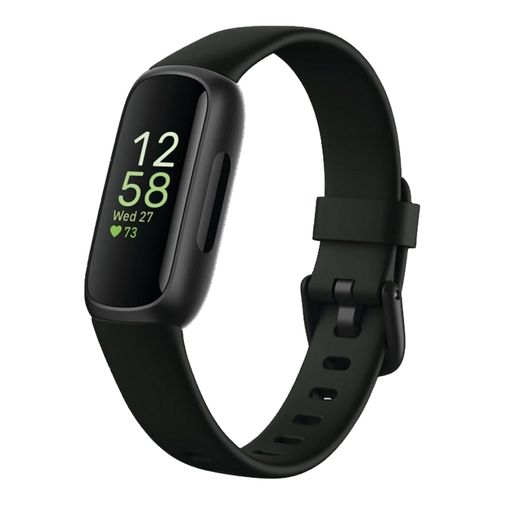
Track Healthy Weight Gain with This Smart Tracker
Frequently Asked Questions
What is the Recommended Weight Gain During Pregnancy?
The recommended weight gain during pregnancy depends on a woman’s pre-pregnancy body mass index (BMI). For women with a BMI in the normal range (18.5-24.9), the recommended weight gain is 25-35 pounds. Women who are underweight (BMI less than 18.5) should gain 28-40 pounds, while women who are overweight (BMI 25-29.9) should aim for a weight gain of 15-25 pounds. Women who are obese (BMI over 30) should aim to gain 11-20 pounds.
Why is Weight Gain Important During Pregnancy?
Weight gain is important during pregnancy because it provides the necessary nutrients and energy for the growing fetus. Adequate weight gain is also associated with a lower risk of preterm birth, low birth weight, and other complications. However, excessive weight gain can increase the risk of gestational diabetes, hypertension, and other health problems.
How Should Weight Gain be Monitored During Pregnancy?
Weight gain should be monitored regularly during pregnancy, usually at each prenatal visit. Women can keep track of their weight gain at home by weighing themselves on a regular basis and recording the results. It’s important to remember that weight gain is not uniform throughout pregnancy, and some weeks may see more weight gain than others.
What can be Done to Ensure Healthy Weight Gain During Pregnancy?
To ensure healthy weight gain during pregnancy, women should follow a balanced diet that includes plenty of fruits, vegetables, whole grains, and lean protein sources. They should also engage in regular physical activity, as recommended by their healthcare provider. It’s important to avoid excessive calorie intake and to limit consumption of foods high in sugar and fat. Consulting with a registered dietitian can be helpful in creating a healthy eating plan.
What are the Risks of Excessive Weight Gain During Pregnancy?
Excessive weight gain during pregnancy can increase the risk of gestational diabetes, hypertension, preeclampsia, and other complications. It can also make it more difficult to lose weight after delivery, which can increase the risk of obesity and related health problems later in life for both the mother and the baby.
Related posts:
 Should I Avoid Caffeine In Pregnancy?
 Fibroids During Pregnancy – Full Guide
 Symptoms and Management of HPV During Pregnancy
 Symptoms and Treatment of Partial Molar Pregnancy
 Thoughtful Advice To Help You Through Your Pregnancy
 Understanding The Ins And Outs Of Pregnancy
 Understanding the Role of the Father During Pregnancy
 Risks of Eating Argo Starch During Pregnancy
 Can A Pregnant Woman Go To A Funeral
 How To Sleep With Rib Pain During Pregnancy
 Should You Consider Shaving Your Pubic Hair Before Childbirth
 How To Do A parasite cleanse during pregnancy
